
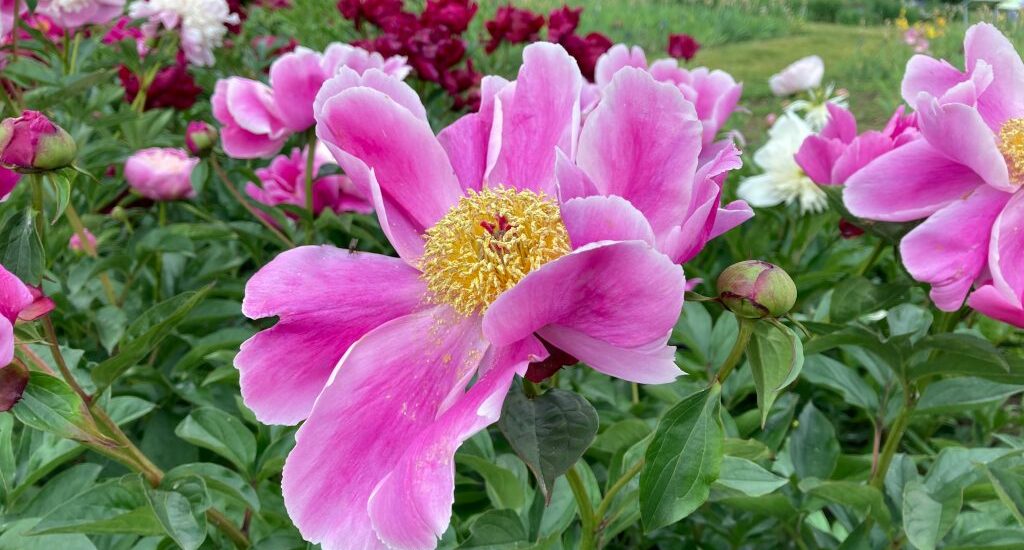
No flower generates more disappointment than the peony, and it is entirely a timing problem. Peonies in Australia have a window measured in weeks, not months, and roughly nine months of the year the honest answer to “can I get peonies?” is no – or yes, at a price that will genuinely shock you.
This guide sets out the real season, the growing regions, current Sydney pricing, and how to handle a peony bouquet so the buds actually open.
The Peony Season in Australia
Australian-grown: mid-October to early December. That is the whole domestic window, and even within it, availability shifts by region and by year depending on winter chill.
New Zealand-grown: late November to early January. New Zealand’s cooler climate runs slightly later, which conveniently extends the southern-hemisphere season and often carries Australian florists through to Christmas.
Northern Hemisphere imports: roughly April to June. Air-freighted from the United States, Netherlands, Chile and Israel. Available but expensive.
Genuinely unavailable: February, March, August, September. If a florist promises peonies in those months, ask hard questions.
So peonies in Australia are effectively a spring flower with a bonus New Zealand tail. Plan weddings and milestone events around October and November if peonies are non-negotiable.
Why the Window Is So Narrow
Peonies need cold. Specifically, they need a sustained winter chill period – broadly 60 days or more below about 7 degrees – before the plant will set flower buds properly. Without that vernalisation, a peony grows perfectly healthy foliage and refuses to flower.
This is precisely why peonies in Australia are grown where they are grown. Sydney’s coastal climate simply does not deliver enough chill hours. The commercial crop comes from:
- Tasmania – the largest and most reliable producer
- The Victorian highlands and Gippsland
NSW Southern Highlands around Bowral and Moss Vale
- The Central West of NSW around Orange and Oberon
- The Adelaide Hills
- The Granite Belt in southern Queensland, marginally
The plant physiology behind chill requirements and bud initiation is well documented in Australian plant science and horticultural research, and it is the reason no amount of good intentions will get you a peony bush flowering in a Mosman courtyard.
Watch: How Peonies Actually Grow
If you want to understand what you are buying – or attempt to grow them in a cool-climate part of NSW – this is the clearest explainer available: How to Grow and Care for Peonies. It covers the three peony types, the critical planting depth, and why deep planting stops flowering entirely.
What Peonies Cost in Sydney
Per-stem wholesale drives everything, and it moves enormously.
| Period | Typical retail per stem |
| Australian season peak (Nov) | $12 – $20 |
| Australian season shoulder (Oct, Dec) | $18 – $28 |
| New Zealand season (Dec- Jan) | $16 – $26 |
| Northern Hemisphere import (Apr-Jun) | $28 – $45 |
Which means a peony bouquet in Sydney realistically costs:
- In-season, 5 stems with foliage: $130 – $200
- In-season, 10 stems: $220 – $350
- In-season, 15-20 stem statement bouquet: $400 – $700
- Out of season, 5 imported stems: $220 – $350
A bridal bouquet of peonies in Australia during the domestic season runs $350-$650. Out of season it can exceed $1,200 for the same brief. This is why so many Sydney florists will gently steer a summer bride toward garden roses.
The Best Peony Alternatives
Genuinely good substitutes, not consolation prizes:
David Austin garden roses – the closest match for ruffled density and scent. Available almost year-round.
•• Double ranunculus (Cloni and Butterfly types) – layered, papery, gorgeous. Winter to spring.
- Lisianthus, double varieties – rose-like, remarkable vase life, a fraction of the price.
- Camellia japonica – structural and elegant, winter.
- Double tulips – sometimes marketed as “peony tulips”, and honestly excellent.
- Icelandic poppy – not similar in form but similar in effect: delicate, romantic, brief.
A bouquet of double ranunculus and garden roses will read as “peony-adjacent” to almost everyone and cost half as much.
Peony Varieties You Will Actually See
- Sarah Bernhardt – the classic soft pink. Most commonly grown peony in Australia.
- Coral Charm – opens coral and fades to peach-cream. Spectacular and highly sought.
- Duchesse de Nemours – white with a faint lemon centre and superb fragrance.
- Red Charm – deep, dense crimson.
- Bowl of Beauty – pink guard petals with a pale creamy centre.
- Festiva Maxima – white with crimson flecks.
If you want a specific variety, order at least three weeks ahead. Florists pre-book named varieties at market.
How to Make Peonies Open and Last
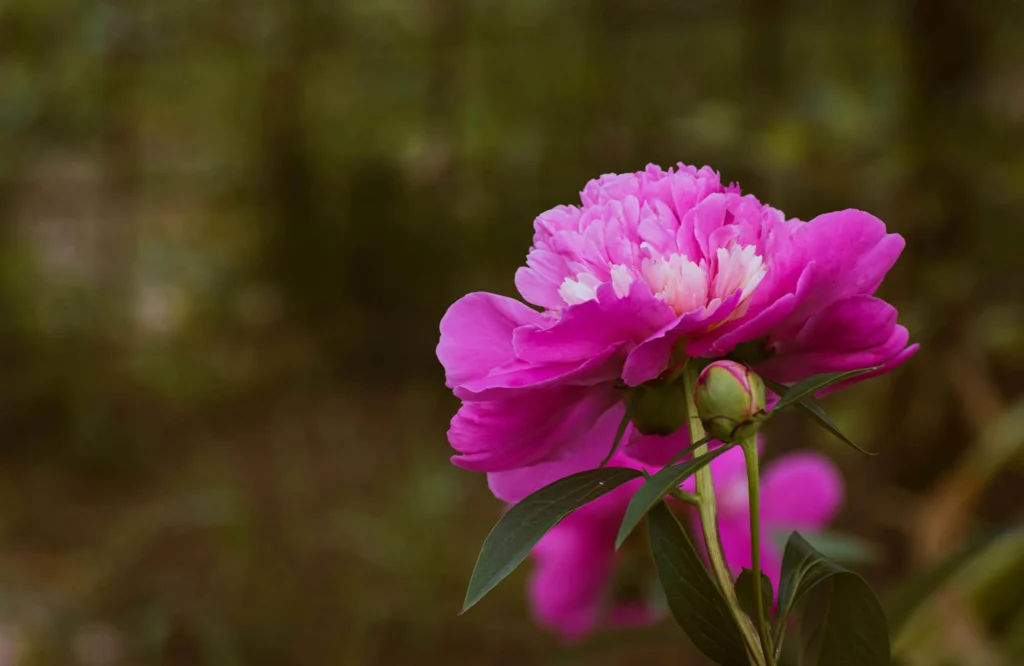
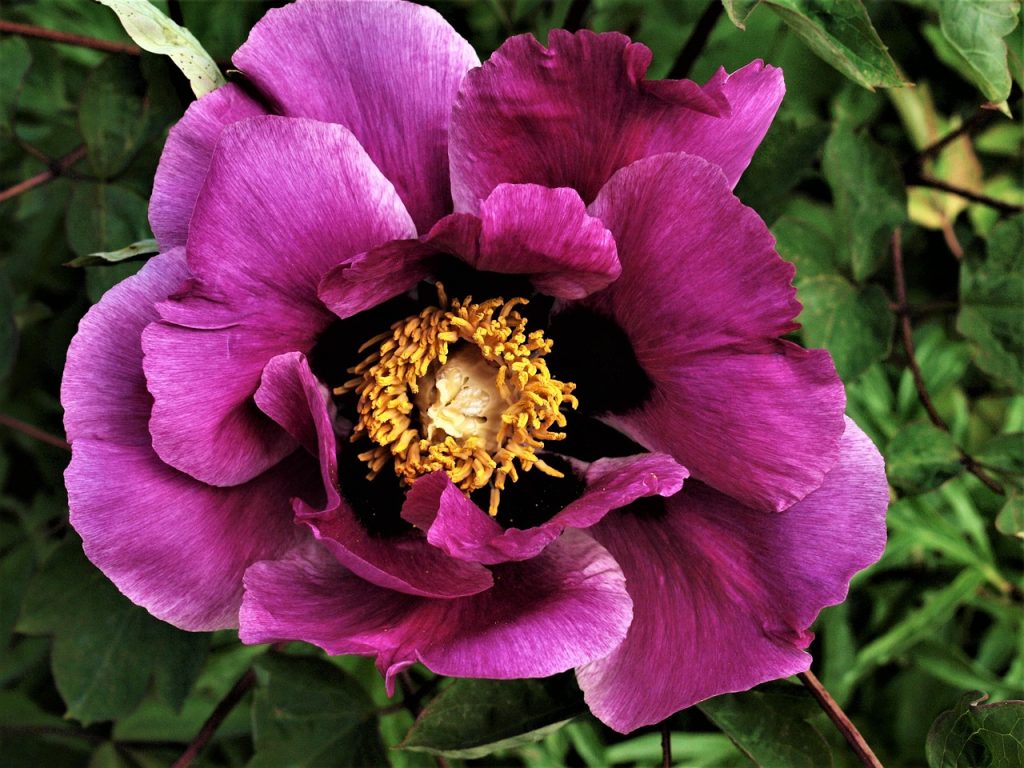
This is where most people go wrong. Peonies are cut and shipped in tight bud – the “marshmallow” stage, where the bud gives slightly under gentle pressure. If they arrive tight, that is correct, not a fault.
To open them:
- Recut stems 2-3cm at a sharp 45-degree angle.
- Strip all foliage that would sit below the water line.
- Place in warm water – not cold – with flower food.
- Put them somewhere warm and bright for a few hours. Warmth accelerates opening. 5. If they are opening too fast, move them somewhere cool overnight. Cold slows them.
Common problems:
- Buds will not open at all: they were cut too green. Try gently rolling the outer petals back with your fingers, or dunk the head briefly in warm water.
- Ants on the buds: entirely normal. Peonies secrete a sugar that attracts them. Dunk in water and move on.
- Blown open in a day: they were too warm. Peonies in Australian spring can go from bud to fully blown in 24 hours in a warm room.
Vase life: expect 5-8 days from tight bud, less if the room is warm.
Storage trick: peonies can be held for weeks dry, in bud, wrapped in paper in a fridge. Recut and rehydrate when needed. This is exactly how growers manage the season.
Growing Peonies in Australia Yourself
Only attempt this in a cool-climate zone: the Southern Highlands, Blue Mountains above about 900 metres, Orange, Tasmania, or highland Victoria. Sydney proper will not work.
If you are in the right zone: plant bare-root divisions in autumn, with the eyes just 3-5cm below soil level (this is the single most important detail), in full sun, in rich free-draining soil, spaced about a metre apart. Expect foliage in year one, one or two flowers in year two, and abundance from year three. Then leave them alone – peonies resent being moved and will flower for fifty years if undisturbed.
Commercial cultivation of peonies in Australia sits within the broader cut-flower sector tracked by state agencies, and the guidance on commercial horticulture and cut flower production is the right starting point if you are considering growing at scale rather than in a garden bed.
Planning Around the Season
Weddings: October and November only, or accept import pricing.
Mother’s Day (May): imported, expensive. Consider garden roses instead.
Christmas: New Zealand peonies often available. A genuinely lovely and unexpected Christmas flower.
Birthdays in spring: the best value peony moment of the year.
Pre-order: two to three weeks ahead during the season, and get on a florist’s notification list. Sydney’s peony stock sells within hours of arriving at market.
The Bottom Line
Peonies in Australia are a six-to-eight week domestic event, extended by New Zealand into January and available at a premium from the Northern Hemisphere in autumn. Plan around October and November, pre-order named varieties, accept tight buds as correct, use warm water to open them, and consider double ranunculus or garden roses the rest of the year. Handled properly, peonies in Australia are worth every dollar – handled badly, they are the most expensive disappointment in floristry.