
The landscape of Australian weddings is undergoing a profound shift. As we move into 2026, the era of the “maximalist” wedding is giving way to a more refined, intentional, and intimate celebration. Central to this evolution is the Micro-Vintage Bouquet.
For modern couples, “bigger is better” has been replaced by “smaller is more significant.” With average guest counts in Australia now sitting around 65 to 88 people, the need for sprawling, heavy floral arrangements has diminished. Instead, brides and grooms are seeking Micro-Vintage Bouquets: Small-Scale Floral Trends for Intimate 2026 Weddings that offer nostalgic charm without overwhelming the bridal silhouette or the budget.
What is a Micro-Vintage Bouquet?
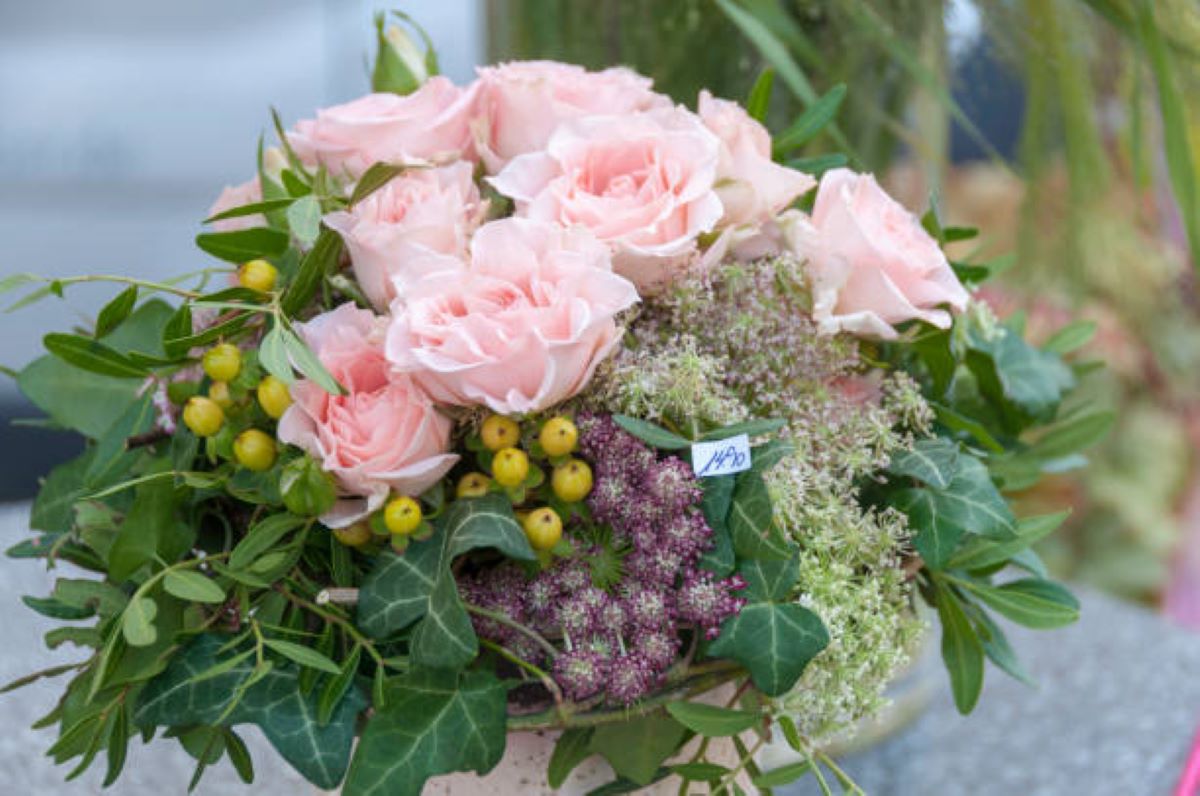
A Micro-Vintage Bouquet is a petite, curated floral arrangement that draws inspiration from historical bridal aesthetics—specifically the Victorian “posy” and the 1950s “nosegay”—while utilizing modern sustainable techniques.
See more: Micro-Vintage Bouquets: Small-Scale Floral Trends for Intimate 2026 Weddings
Unlike the oversized “boho” bundles of the early 2020s, these arrangements prioritize:
- Scale: Typically no larger than the width of the bride’s waist.
- Focus: Often featuring a single species or a very limited, tonal color palette.
- Artistry: Using “reflexed” petals and architectural stems to create a 3D, sculptural effect.
In the context of intimate 2026 weddings, these bouquets serve as a “Micro-Classic” statement. They reflect the “Quiet Luxury” movement, where the value lies in the rarity and quality of the bloom rather than the sheer volume of greenery.
Why Small-Scale Florals are Dominating 2026 Trends
The rise of the Micro-Vintage Bouquet isn’t just a stylistic choice; it’s a response to the changing economic and social fabric of Australia.
1. The “Micro-Wedding” Boom
With venue costs in Sydney and Melbourne reaching new peaks, couples are opting for “quality over quantity.” When you only have 40 guests, a massive bouquet can feel visually “loud” and disconnected from the setting. A petite arrangement complements the close-knit, dinner-party vibe of modern celebrations.
2. Sustainability and “Slow Floristry”
2026 is the year of the conscious consumer. Smaller bouquets mean less floral waste. Many Australian florists are now specializing in “Slow Floristry,” sourcing locally grown Australian natives and seasonal blooms that don’t require the high carbon footprint of international shipping.
3. Fashion Compatibility
Current bridal fashion trends—such as the Basque waist and drop-waist gowns—require a bouquet that doesn’t hide the dress’s structural details. A Micro-Vintage Bouquet, often carried in the crook of the arm or held low, allows the craftsmanship of the gown to remain the focal point.
Key Flowers for the 2026 Micro-Vintage Aesthetic
To achieve this look, Australian florists are leaning into blooms that offer high visual impact in small doses.
| Flower Variety | Vintage Vibe | 2026 Application |
| Lily of the Valley | Royal Nostalgia | The “Old Money” posy; delicate and highly fragrant. |
| Reflexed Roses | Mid-Century Chic | Petals are folded back to create a large, architectural look from a single stem. |
| Flannel Flower | Australian Heritage | A velvety, native alternative to traditional cottage flowers. |
| Calla Lily | Art Deco Minimalist | Long-stemmed, sleek bundles with zero filler greenery. |
| Sweet Peas | Edwardian Grace | Airy, fluttering textures that add movement to a small frame. |
How to Style Micro-Vintage Bouquets for Your Wedding
Designing a small-scale bouquet requires more precision than a large one. Because every stem is visible, the “mechanics” must be flawless.
Focus on Monofloral or Monochromatic Schemes
One of the strongest small-scale floral trends for 2026 is the “Mono-bundle.” This involves using 5–10 stems of the exact same flower (e.g., all-white Sweet Peas or all-blush Ranunculus). This creates a clean, sophisticated line that looks incredibly high-end in photography.
Incorporate “Real Touch” and Preserved Elements
In Australia’s unpredictable climate—from Perth’s heat to Melbourne’s humidity—mixing fresh blooms with high-quality preserved elements is a top strategy. Adding a few preserved “Bleached Fern” leaves or “Everlasting Daisies” provides texture that won’t wilt during outdoor ceremonies.
The “Vertical Flex”
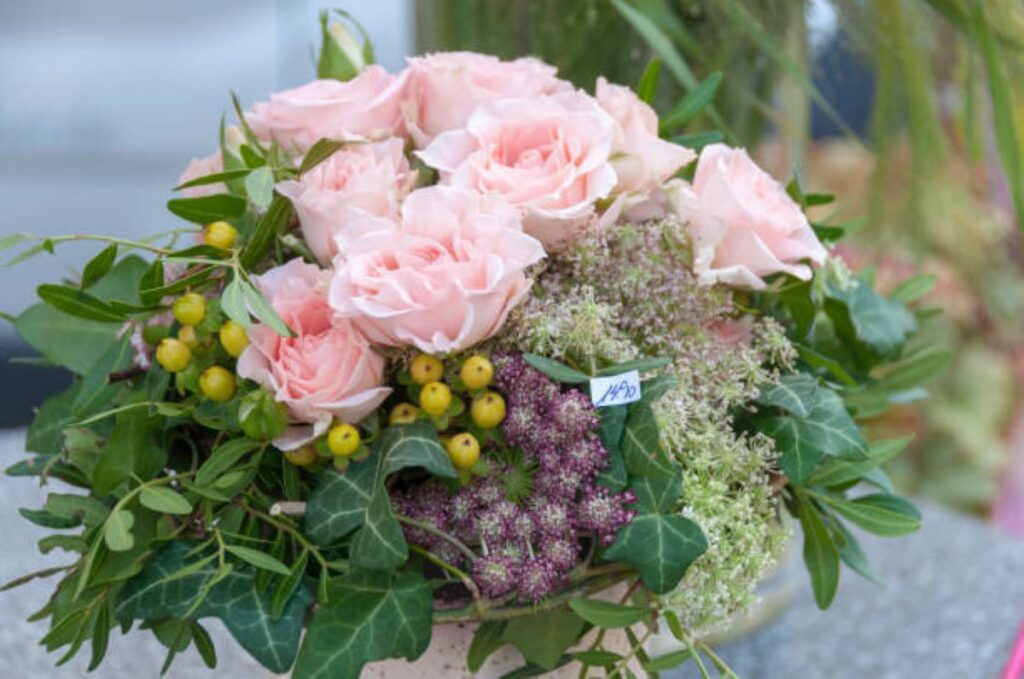
Instead of a round ball, 2026 bouquets are becoming more vertical. Using flowers with interesting stem architecture, like Snapdragons or Orchids, allows the bouquet to feel like a piece of living art rather than a bundle of plants.
Step-by-Step: Planning Your Micro-Vintage Floral Concept
If you are planning an intimate wedding in 2026, follow this framework to ensure your florals hit the mark:
- Audit Your Guest Count: If your list is under 80, commit to the “Micro-Classic” scale.
- Define Your “Vintage” Era: Are you leaning toward Victorian romance (lilies, lace wraps) or 90s minimalism (sleek Calla lilies)?
- Choose Your “Hero” Bloom: Pick one flower that will represent 70% of the bouquet.
- Select a Sustainable Wrap: Ditch the heavy plastic ribbons. Use repurposed silk, vintage lace, or even sculptural metal cuffs—a major 2026 trend.
- Coordinate with the Boutonniere: For intimate weddings, the groom’s “pocket meadow” or single-stem boutonniere should be a direct “miniature” of the bride’s bouquet.
Common Mistakes to Avoid
- Over-using “Filler”: Traditional baby’s breath or heavy eucalyptus can make a small bouquet look dated. In 2026, we use “negative space” instead of filler.
- Ignoring Seasonality: Even a small bouquet can be expensive if the flowers are out of season. Check an Australian Wedding Flower Seasonality Guide before settling on a specific bloom.
- Proportion Errors: Ensure your bouquet is scaled to your height. A “micro” bouquet on a very tall bride might look like an afterthought rather than a deliberate choice.
Frequently Asked Questions (FAQ)
What defines a “Micro-Vintage” bouquet?
It is a small, intentional arrangement (usually 15–20cm in diameter) that uses historical floral varieties like Lily of the Valley or Roses, styled with modern, minimalist techniques.
Are smaller bouquets cheaper?
Not necessarily. While you use fewer stems, Micro-Vintage Bouquets often feature premium, high-grade blooms (like Peonies or rare Orchids) and require more labor-intensive “reflexing” or wiring by the florist.
Which Australian natives work best for this trend?
Flannel Flowers, Rice Flowers, and Wax Flowers are perfect. They provide the “vintage” delicate texture while being perfectly suited to the Australian climate.
How do I keep a small bouquet fresh in the Australian summer?
Focus on “hardy” vintage-style blooms like Carnations or Orchids, and ask your florist to use a “water source” wrap or “Real Touch” elements for added resilience.
Can I carry a micro-bouquet with a ballgown?
Yes! In fact, it provides a stunning contrast. A petite, structured bouquet prevents the “total look” from becoming too heavy or overwhelming.
Conclusion: Embracing the Small-Scale Revolution
Micro-Vintage Bouquets: Small-Scale Floral Trends for Intimate 2026 Weddings represent more than just a change in size. They are a celebration of individuality, sustainability, and the beauty of the single stem. By choosing a petite arrangement, you aren’t “settling” for less; you are choosing a more curated, artistic, and memorable way to walk down the aisle.
As you plan your 2026 wedding, remember that the most impactful details are often the ones you have to look at most closely.
Would you like me to create a seasonal flower availability calendar specifically for the month of your 2026 wedding?
Internal Linking Suggestions:
- 2026 Wedding Color Palettes for Australian Couples
- Sustainable Floristry: How to Source Locally Grown Blooms
- Top 10 Intimate Wedding Venues in New South Wales
External Reference Suggestions:
- Australian Wedding Industry Report 2026 (for guest count statistics)
- The Royal Horticultural Society (for Victorian floriography meanings)