Why Are Corner Sofas So Popular in Australian Living Rooms?
Corner sofas have become a staple in Australian homes because they maximize seating capacity while making efficient use of available floor space. These versatile pieces of living room furniture fit snugly into corners or can anchor open-plan areas, transforming underutilized zones into functional seating hubs.
The appeal of corner sofas across Australia stems from their dual nature as both a design statement and a practical solution. Modern Australian homes—whether compact apartments in Sydney or spacious family houses in Brisbane—benefit from furniture that works harder without compromising on style. A well-chosen corner sofa can accommodate family movie nights, host gatherings with friends, and still leave room for movement throughout the space.
Space efficiency drives much of the popularity. Traditional three-seater sofas paired with armchairs often consume more floor area while providing fewer seats. Corner configurations consolidate seating into one cohesive unit, freeing up valuable square footage for other furniture or creating a more open, breathable environment.
The aesthetic versatility of choosing corner sofas adds another layer of appeal. Available in countless fabrics, colors, and configurations, these pieces adapt to diverse interior styles—from coastal minimalism to contemporary urban design. They anchor a room visually while offering the flexibility to evolve with changing tastes and needs, making them a smart long-term investment for Australian homeowners.
What Are the Common Shapes of Corner Sofas Available in Australia?
1. L-shaped sofas
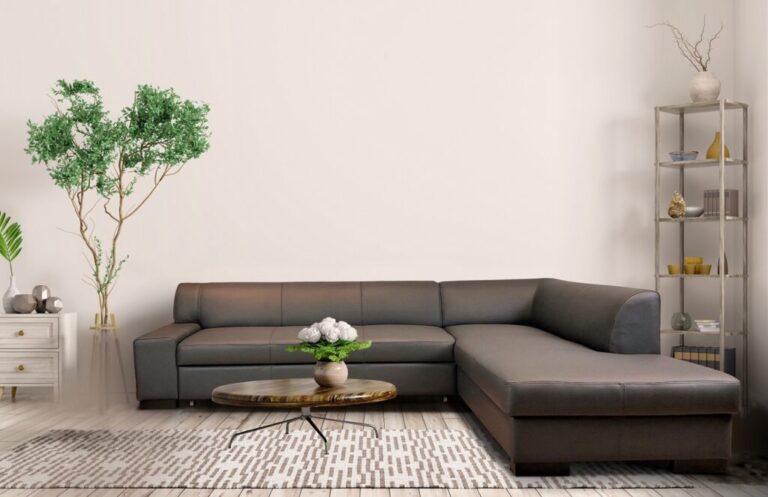
L-shaped sofas form the most recognizable corner sofa configuration, featuring two perpendicular sections that create a classic right angle. This design typically includes a longer main section paired with a shorter return or chaise lounge, making it ideal for medium-sized living rooms where you need to maximize seating without overwhelming the space.
2. U-shaped sofas
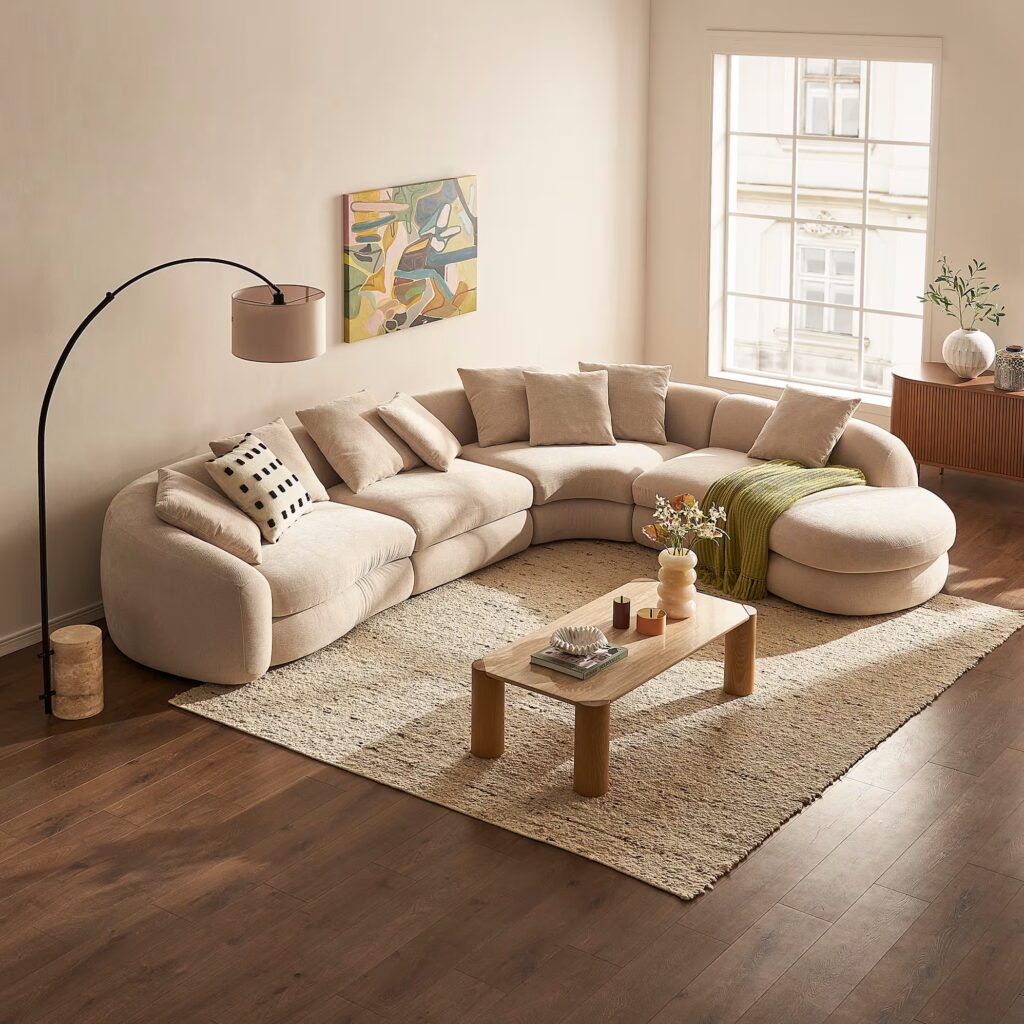
U-shaped sofas extend the concept by adding a third section, creating a horseshoe formation that wraps around a central focal point. These larger configurations work best in spacious living areas where you want to establish a dedicated conversation zone or entertainment hub. The extra seating capacity makes U-shaped corner sofas perfect for families who regularly host gatherings or need accommodation for multiple people watching television together.
3. V-shaped sofas
V-shaped sofas offer a more angular alternative, with sections meeting at a wider angle than traditional L-shaped designs. This shape provides a softer, more open feel compared to the sharp 90-degree turn of L-shaped models, allowing better sightlines across the room and easier movement around the furniture.
Each corner sofa shape serves distinct spatial requirements:
- Compact apartments benefit from two-seat or three-seat L-shaped configurations.
- Expansive open-plan homes can accommodate five-seat or six-seat U-shaped arrangements.
The key lies in matching the sofa’s footprint to your available floor space and intended use.
How Do Room Size and Layout Influence the Choice of Corner Sofa Shape?
1. Room Size and Corner Sofa Shape
Room dimensions directly determine which corner sofa shape will work best.
- A compact two-seat or three-seat L-shaped sofa with a chaise lounge serves as an ideal solution for small living room sofas in apartments or cozy spaces, maximizing seating without overwhelming the floor area.
- Space planning corner sofa decisions become more flexible in generous living rooms. A five-seat or six-seat U-shaped configuration transforms expansive areas into inviting social hubs, wrapping around to create an intimate gathering spot perfect for entertaining. The wraparound design naturally draws people together while filling what might otherwise feel like an empty, underutilized space.
2. Open-Plan Homes and Corner Sofas
Open-plan homes present unique opportunities for strategic placement.
- Rather than pushing furniture against walls, a corner sofa can float in the middle of the room, acting as a natural boundary between living and dining zones. This approach to large living room sofas creates distinct functional areas without requiring physical walls or bulky dividers.
3. Traffic Flow and Corner Sofa Layout
The layout’s traffic flow matters just as much as square footage.
- A U-shaped sofa positioned centrally guides movement around the seating area, preventing people from cutting through conversation spaces.
- L-shaped designs work well along perimeter walls in rectangular rooms, keeping pathways clear while anchoring one end of the space.
- V-shaped sofas suit angled walls or bay window areas, adapting to architectural quirks that standard furniture cannot accommodate.
Why Is Measuring Space and Orientation Important When Choosing a Corner Sofa?
Accurate measuring living room space prevents costly mistakes and ensures your corner sofa fits comfortably without overwhelming the room. A sofa that’s too large can block doorways, restrict movement, or make the space feel cramped, while one that’s too small may look lost in a spacious area.
Key measurements to take before shopping:
- Width and depth of the available floor space
- Distance from walls to doorways and windows
- Ceiling height (particularly for high-backed designs)
- Entry points including doorways, hallways, and staircases
Understanding sofa orientation left-hand facing versus right-hand facing configurations is equally critical. The “facing” direction refers to where the chaise or extended section sits when you’re looking at the sofa from the front. A left-hand facing sofa has the chaise on the left side, while a right-hand facing sofa positions it on the right.
To determine which orientation suits your layout, stand in the room facing where the sofa will sit. Consider which side naturally flows with your room’s traffic pattern and which direction offers the best view of entertainment areas or windows. Getting this decision wrong means the sofa won’t integrate properly with your existing furniture arrangement, potentially disrupting the room’s functionality and visual balance. For more guidance on choosing between a left or right corner sofa, refer to this comprehensive guide.
How Do Material and Color Choices Affect the Practicality and Style of Corner Sofas?
Material Matters
Sofa materials Australia options directly impact both durability and daily maintenance. Homes with children or pets benefit from performance fabrics like microfiber, leather, or treated polyester that resist stains and wear. These materials withstand spills, scratches, and heavy use while maintaining their appearance over years of family life.
Removable covers transform sofa maintenance from a challenge into a simple task. Machine-washable sofa covers allow you to clean your corner sofa at home without professional services, saving money and time. This feature proves invaluable when dealing with pet hair, food spills, or everyday dirt accumulation. Zip-off covers can be laundered regularly, keeping your furniture fresh and hygienic.
Color Choices
Sofa colors create different effects depending on your household needs. Dark shades like charcoal, navy, or chocolate brown camouflage stains and show less wear in high-traffic homes. These practical choices work well for families who prioritize function alongside aesthetics.
Bold colors such as emerald green, mustard yellow, or deep burgundy make your corner sofa the focal point of the room. These statement pieces suit homeowners who enjoy distinctive style and plan to design around their furniture.
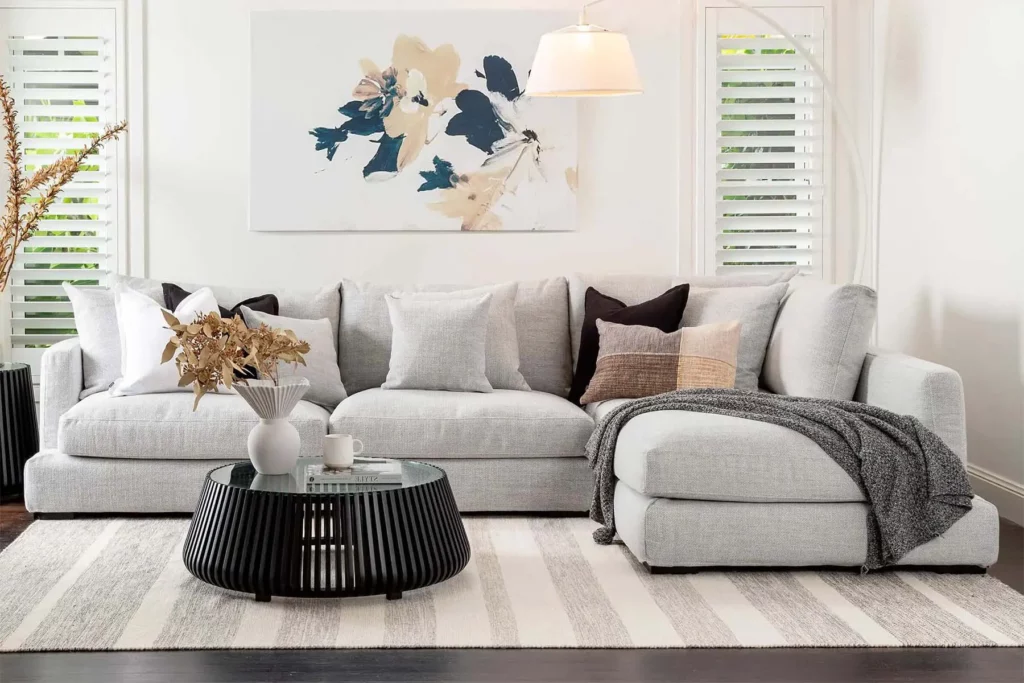
Neutral tones like grey, beige, or taupe offer maximum flexibility. You can update cushions, throws, and surrounding decor without replacing the sofa itself. This versatility appeals to those who refresh their interior design regularly or prefer timeless aesthetics that adapt to changing trends.
Can Corner Sofas Be Positioned Away from Corners to Enhance Living Room Functionality?
Yes, corner sofas work exceptionally well when positioned away from corners. Despite their name, these versatile pieces can be strategically placed throughout your living room to maximize both functionality and visual appeal.
Creating Natural Room Dividers in Open Spaces
Corner sofas excel at dividing spaces in open-plan homes without requiring physical walls. Placing a corner sofa perpendicular to a wall creates a clear boundary between your living area and dining space or kitchen. This open-plan living arrangement maintains the airy feel of your home while establishing distinct zones for different activities. The back of the sofa naturally defines where one space ends and another begins.
Wall Placement Versus Floating Configurations
Positioning along walls suits traditional layouts where you want to preserve floor space for movement. This approach keeps pathways clear and works particularly well in rectangular rooms.
Floating sofas positioned in the room’s center offer several advantages:
- Creates a focal point that draws attention inward
- Improves traffic flow by directing movement around the seating area
- Allows access to the sofa from multiple sides
- Provides space behind the sofa for console tables or storage
This corner sofa placement idea transforms your living room into a more dynamic space. The floating configuration works best in larger rooms where you have at least 90cm of clearance around all sides for comfortable movement.
What Additional Styles and Features Should Buyers Consider When Choosing a Corner Sofa?
Recliner corner lounges transform standard seating into a comfort haven, with built-in footrests and adjustable backrests that let you stretch out after long days. These electric or manual recliners suit families who prioritize relaxation, though they require extra clearance behind the sofa for the reclining mechanism to operate smoothly.
Modular sofas Australia offers exceptional flexibility through individual sections that connect and disconnect as needed. You can start with a basic L-shape and add extra seats, ottomans, or chaise extensions when your family grows or you move to a larger home. This adaptability makes modular designs a smart investment for renters or homeowners who anticipate future layout changes.
Sofa beds multifunctional furniture serves dual purposes by converting from daytime seating to overnight sleeping space. Pull-out mechanisms or fold-down backrests create guest beds without dedicating an entire room to occasional visitors. Compact apartments benefit most from this space-saving solution, though mattress quality varies significantly between models—test the sleeping surface before purchasing.
Storage compartments built into corner sofas provide hidden space for blankets, magazines, or children’s toys. Cup holders, USB charging ports, and adjustable headrests add modern convenience to traditional designs. When selecting Corner Sofas Australia: How to Choose the Right Shape for Your Living Room, these features elevate functionality beyond basic seating, matching the sofa to your household’s specific daily routines and entertainment habits.
How to Choose the Perfect Corner Sofa for Your Australian Living Room
Choosing the right corner sofa involves considering several factors to create a balanced living space. Shape, material, color, and placement all play a role in deciding whether your sofa enhances or overwhelms your room.
1. Measure Your Space
Start by measuring your room accurately. This will help you determine which configuration—L-shaped, U-shaped, or V-shaped—works best for your space.
2. Consider Your Household’s Activities
Think about how you and your family use the living room on a daily basis. If you have kids, washable covers in darker tones might be beneficial. If you frequently entertain guests, larger U-shaped designs that provide ample seating could be a priority.
3. Explore Different Placement Options
Don’t limit yourself to traditional corner placement for your sofa. Get creative with its positioning:
- Floating in the center of an open-plan area
- Acting as a room divider
- Aligning with walls to optimize traffic flow
The decision should take into account both the physical limitations of your space and your actual lifestyle within your home.
4. Find the Right Sofa Style
Corner Sofas Australia has a wide range of options to suit every lifestyle. Whether you’re looking for:
- A compact L-shaped piece for a cozy apartment
- A spacious modular system for a family home
You can find the perfect corner sofa by combining practical needs with personal style preferences.
See Also: Leather Corner Sofas: Why They’re the Ultimate Blend of Style and Comfort